Everything You Need to Know About Vehicle Glass Tinting
Ever get into your car on a sunny day and find the cabin uncomfortably hot, or struggle with sunlight shining through the windows while you’re on the road in the summertime? Vehicle glass tinting is just one way to help make journeys more comfortable, reduce glare and, of course, give your car a little extra privacy. But before leaping into choosing a tint, it’s worth taking some time to understand precisely how the process of tinting works and what to look out for when selecting a tint for your own car glass.
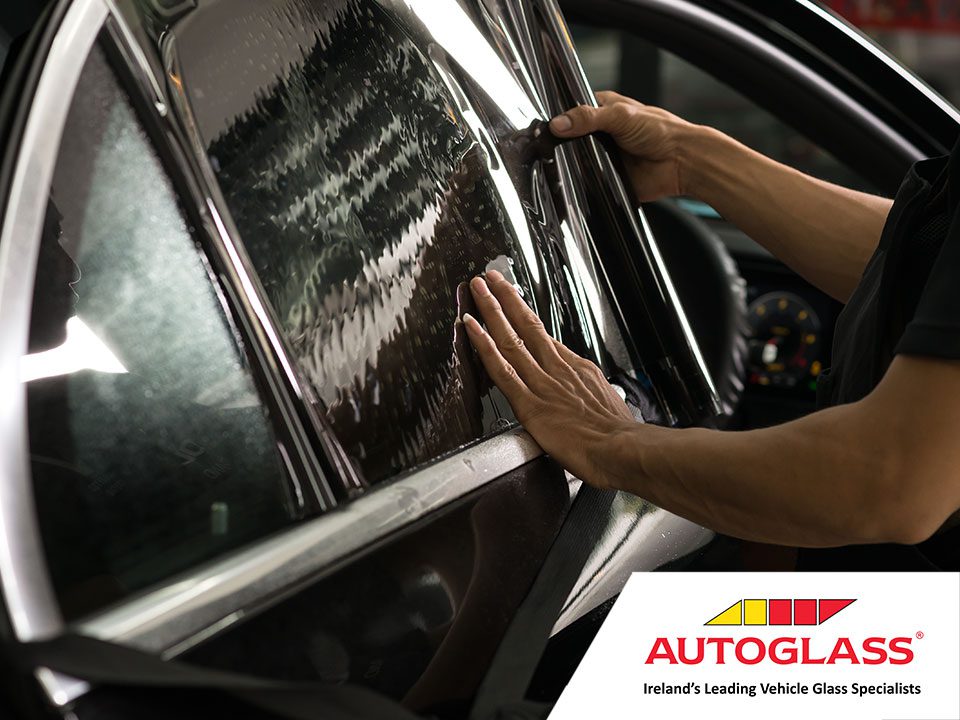
Modern vehicle glass tinting usually involves applying a thin film to the inside of a vehicle’s windows. Depending on the product in question, window tint film can reduce the amount of visible light entering the cabin, help block ultraviolet (UV) radiation and limit solar heat bleeding into your car. Different tinting films offer different levels of performance, so the darkest option isn’t necessarily the best one for every driver’s distinct needs.
There are a few important things to consider before making a decision in relation to glass tinting for your car.
In this guide, we’ll explore:
- How tinting works: Understanding light transmission and the different types of film available.
- Tint laws: What Irish motorists need to know about legal tinting limits and visibility.
- DIY versus professional installation: The pros, cons and costs of each approach.
Whether you’re interested in improving comfort, protecting your interior or exploring the car window tint benefits, the Autoglass® Ireland blog has you covered for all you need to know before investing in automotive tinting for your car.
The Science of EV Windscreens: How Electric Vehicles Are Changing Auto Glass Forever >>
What Is Vehicle Glass Tinting and How Does It Work?
Vehicle glass tinting is the process of applying a specialist film to a vehicle’s windows to change how much light, heat and UV radiation passes into the cabin via your car glass. Visible Light Transmission (VLT) is the percentage of visible light that passes through the glass and film combined. A higher VLT percentage means a lighter tint, while a lower percentage means a darker tint.
The Primary Benefits of Tinting Your Car Windows
There are a number of distinct reasons why you might choose to tint your car glass, beyond simply changing the appearance of your car. The benefits of car tint include concerns such as improved comfort, protection from sunlight and additional privacy.
UV Protection
Quality window tint film can block up to 99% of harmful ultraviolet (UV) rays. This helps protect drivers and their passengers from prolonged UV exposure while also reducing the risk of sunlight causing damage to your car’ upholstery or dashboard. For anyone who spends a lot of time behind the wheel, UV protection car windows can stand to make a significant difference and make for a wise investment.
Heat Rejection
Sunlight can quickly raise the temperature inside a parked car, particularly during the summer months. Certain films are designed to reject infrared radiation, helping to reduce the temperature inside of your car. By limiting the amount of heat from the sun entering the vehicle, some films can seriously reduce the need for air conditioning during the summer months.
Safety and Privacy
Window tint can make it harder for people outside of your car to see any belongings you may have left inside. Certain specialist safety films can also help hold fragments together if your car glass breaks, minimising the amount of loose shards scattering in the event of an accident. While ordinary tint film should not be considered a substitute for safety glazing, shattered glass protection is an additional benefit offered by some tinting products.
Self-Healing Glass: How Close Are We to Windscreens That Repair Their Own Scratches? >>
Understanding Different Types of Tint Films
Not all window tint films are the same. They vary in appearance, performance, durability and price, so understanding the differences can help you make an informed decision about which to pick for your car.
Dyed Window Tint
This is more often than not the most budget-friendly option, dyed window tint uses layers of dye to create a darker appearance and improve privacy. It can reduce some incoming light and glare, but generally offers less heat rejection than some of the more advanced films on the market. Over time, exposure to sunlight can cause dyed films to fade or change colour, making them a more entry-level choice.
Metallic and Carbon Tint
These films offer a major step up in performance and durability in comparison to their dyed equivalents. Metallic window film uses tiny metallic particles to reflect solar energy, helping to reduce heat inside of your car. However, some metallic films have been known to interfere with radio, GPS or even mobile phone signals. Carbon films provide a non-metallic alternative, which can usually be identified by their distinctive matte finish, good durability and useful heat rejecting properties. When considering carbon vs ceramic tint, carbon products can offer a good middle-ground option without the signal-interference concerns historically associated with some metallic films.
Ceramic Tint
Often considered by many to be the top of the range option, ceramic film uses advanced ceramic particles to provide strong heat and infrared rejection without relying on metal which can lead to signal interference. This kind of tint can also help keep your car’s interior cooler while maintaining good visibility. Although it usually comes at a higher price, it can be an attractive long-term investment.
The best car tint film depends on your priorities, budget and the level of performance you’re looking for. Frankly, if you know what your priorities are, It’s worth comparing the specifications of individual products rather than relying on the type of film alone when making your decision.
OEM vs Aftermarket Auto Glass – What’s the Difference? >>
Navigating Tint Laws and VLT Legal Limits
Choosing the right tint isn’t just about appearance. Car window tint laws are designed to ensure drivers can see the road clearly, particularly in low light, and that other road users and gardai can see into the vehicle should that be necessary.
VLT, or Visible Light Transmission, is a useful way to compare different films. For example, a tint with 70% VLT allows 70% of visible light to pass through, meaning it is on the relatively light end of the tinting scale. A film with 20% VLT allows much less light through and creates a considerably darker appearance. It is also worth keeping in mind that the vehicle’s original glass may already have some tint, so the final light transmission depends on the car glass’s standard level of tint and any additional film together.
In Ireland, the Road Safety Authority states that a vehicle’s windscreen and front side windows must have a light transmission level of at least 65% to be deemed safely roadworthy. This means the combined glass and film must allow sufficient light through. The front window tint limit is therefore not simply a matter of choosing a film labelled as a particular percentage. You need to consider the finished result when this tint is applied to your existing glass.
The rear side windows and rear window are not subject to the same NCT tint restrictions, although drivers must always maintain a safe view of the road.
Excessively dark front windows can create safety problems, particularly at night or in poor weather, not to mention also leading to an NCT failure. Before installing a tint, check the latest guidance from the Road Safety Authority and confirm that the proposed film will meet the legal window tint percentage requirements to keep your car on the road.
DIY vs. Professional Installation: Which Should You Choose?
Applying window tint yourself can seem like an easy way to save a little cash. DIY kits are readily available, and if you’re comfortable working carefully with tools and following instructions, the initial car tint installation cost may be lower than paying a professional.
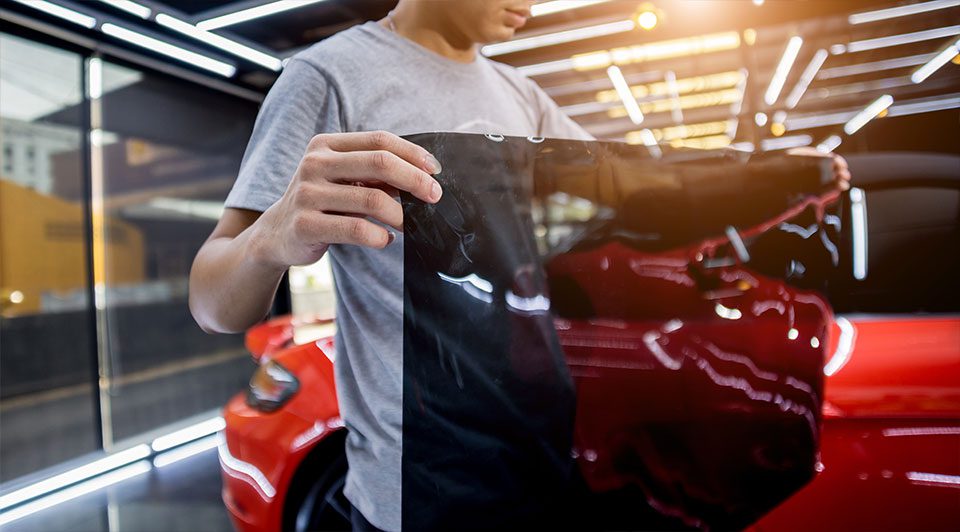
However, achieving a clean, lasting finish is considerably harder than it looks. Window tint film needs to be cut accurately, applied to a clean surface and smoothed carefully to remove any bubbles of trapped air and moisture. Even a small amount of dust or dirt can leave visible imperfections beneath the film. Poorly handled film may go on to develop bubbles, creases or uneven edges over time, while inaccurate cutting can leave gaps around the window.
These issues aren’t merely cosmetic. Poor application can contribute to window tint peeling, lifting edges or a finish that deteriorates sooner than expected. Removing and replacing badly installed film can also add considerably to overall cost.
Professional installation offers a more controlled approach. Our experienced installers have the tools and techniques needed to prepare the glass, shape the film accurately and achieve a neat finish around the edges. A clean working environment helps reduce contamination, while professional fitting will undoubtedly minimise bubbles and visible creases.
So, how do you choose between professional window tinting vs DIY? If your priority is keeping the upfront cost as low as possible and you’re happy to accept the risk of an imperfect result, DIY may appeal. If you want a consistent finish, long-term durability and support if something goes wrong, professional installation is generally the better option.
Whichever route you choose, make sure the film is suitable for automotive glass and that the finished tint complies with Irish visibility requirements.
What Makes Modern Car Glass So Safe?
Frequently Asked Questions
Q1: How long does vehicle glass tinting take to cure?
Window tint film typically takes around three to five days to cure, although this can vary depending on the film, temperature and weather conditions. During this period, avoid rolling down the tinted windows so the film has time to settle properly on your car glass.
Q2: Can you tint windows that already have a factory tint?
Yes, aftermarket film can generally be applied over factory-tinted glass, provided the glass and existing finish are suitable. Factory tint is usually created by tinting the glass itself, while aftermarket film can provide additional benefits such as heat rejection and UV protection. Remember to check the combined VLT percentage to ensure the finished windows remain legal.
Q3: How do you clean tinted car windows without damaging them?
Use a soft microfibre cloth and a gentle, ammonia-free glass cleaner. Avoid abrasive materials and cleaners containing ammonia, as these can damage some tint films or affect their appearance over time. Always follow the film manufacturer’s cleaning and care recommendations.
We hope you found this journey into the world of glass tinting to be crystal clear and wholly transparent. Check back with the Autoglass® Ireland Blog again soon for more explainers, hints, tips and guides to all things motoring.
Safe travels!
Book an appointment now
For a quick and easy way to make an appointment book online now.