
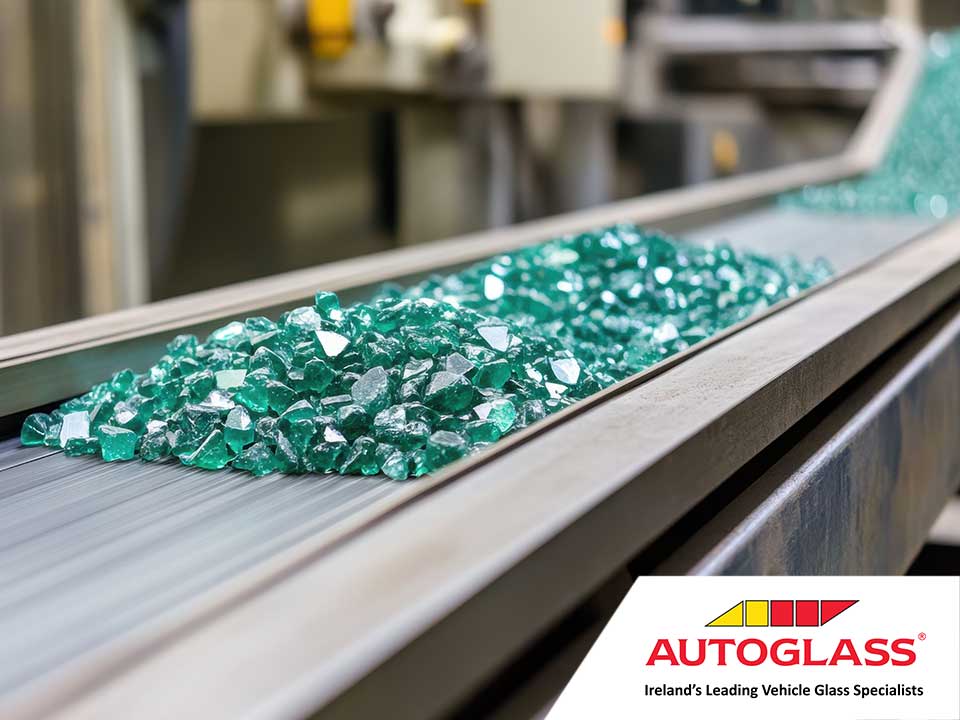
What Happens to Your Old Windscreen After It’s Replaced
Quick Answer:
When a windscreen is replaced, it is sent to a specialised facility where the laminated glass is separated from its PVB plastic interlayer. The glass is crushed into a substance called “cullet” and repurposed for Fiberglass, concrete, or new glass products. The plastic is often recycled into industrial adhesives, carpet backing, or even floor mats for your car.
It’s easy to think of a windscreen replacement as a simple swap: old glass out, new glass in, and that’s that. But frankly, there’s a whole lot more going on behind the scenes.
The modern windscreen recycling process can be understood as an important part of wider practice known broadly as “sustainable auto care”. This practice essentially ensures that damaged automotive glass is handled responsibly rather than dumped as waste.
Because a windscreen is made from laminated safety glass, it cannot go into ordinary glass recycling alongside bottles and jars etc. Proper automotive glass disposal, specifically of laminated safety glass needs, specialist treatment and specific machinery. This matters to drivers like you as the environmental stakes are considerably higher than most people realise. Around 15 million windscreens are replaced every year in the United States alone, and the carglass currently sent to landfill is forecast to take upwards of a million years to break down. The positive side is that recycling technology has moved on dramatically in recent years, and today it is possible to recover and repurpose nearly 100% of the main materials in a windscreen when the process is handled correctly.
Key Takeaways:
- Carglass is not like ordinary glass – It is made using layers of laminated glass with a bonded plastic interlayer, which means the windscreen recycling process is far more specialised than standard bottle recycling.
- Specialist machinery is needed for separation – The plastic “sandwich” inside the windscreen must be peeled apart through a process known as “PVB separation”. This allows recyclers to recover both glass and plastic for reuse separately.
- Recovered glass becomes Glass cullet – Once processed, the glass is turned into Glass cullet, a reusable material for manufacturing and construction.
- Recycling saves energy – Using recycled glass is said to require close to 30% less energy than producing new glass from raw silica sand.
- The environmental impacts are real – Every tonne of recycled glass cullet can prevent roughly 600kg of CO2 emissions, while also supporting a greener circular economy.
- The materials go on to useful second lives – Recycled windscreen materials can be used in everything from reflective road paint to construction materials like fiberglass.
The Time Has Come For All Drivers to be Eco Friendly >>
The Journey from Workshop to Recycling Plant
The second life of an old windscreen begins the moment it is removed by a specialist technician equipped for proper recycling. Once a technician removes the damaged glass, it should be set aside for specialist collection rather than mixed in with general waste. That first step is crucial. If the glass is mishandled at the point of removal, its chances of being recycled properly drop sharply.
This matters all the more because recovery rates from scrapped vehicles remain low. Less than 10% of glass is currently recovered properly from end-of-life vehicles, which means professional replacement plays an even larger and more crucial role in motor care than many drivers might realise. Simply put, when a windscreen is replaced by a specialist technician that follows established recycling routes, it is far more likely to be recovered and repurposed than glass left in a scrapped vehicle.
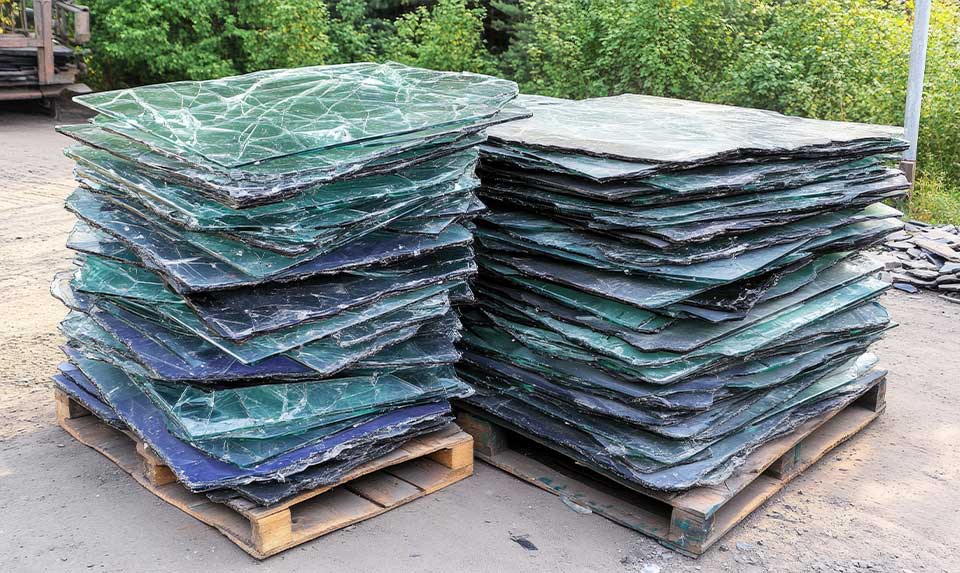
Once collected, the old windscreens are transported to a specialist recycling plant. They are usually stacked and handled in bulk, then sorted for processing. At this point, recyclers deal with contamination such as sealants, trim, rubber edging, and leftover fitting materials. Car glass is built to be tough and hardwearing so preparing it for recycling takes care and the right equipment.
This stage is where good automotive glass disposal practices really matter. A reputable specialist car glass provider will already have a relationship with a certified recycler, ensuring the glass does not simply disappear into a skip or general waste stream.
How is a Windscreen Recycled? (Step-by-Step)
The process of proper windscreen recycling is a technical one. As car glass contains both glass and plastic, the aim is not just to break it up, but to recover both materials in a form that can be reused.
1 – Dismantling and cleaning
The first step is to remove any metal fixings, rubber edge strips, adhesives, and contaminants. Cleaning the glass before processing helps improve the quality of the recovered materials and makes later stages more efficient.
2 – Feeding the glass into a stripper machine
Next, the windscreen goes into a specialist machine often called a “stripper”. This begins the glass crushing stage. The machine breaks the glass while it is still attached to the inner plastic layer, allowing recyclers to control the process rather than simply smashing the whole windscreen into mixed waste.
3 – PVB separation
After crushing, the materials pass through shaking, sieving, and sorting systems.. The heavier glass fragments fall away, while the more flexible plastic interlayer is pulled free. Because the PVB plastic is tough and slightly rubbery, this step requires specialist equipment and careful handling.
4 – Cullet processing
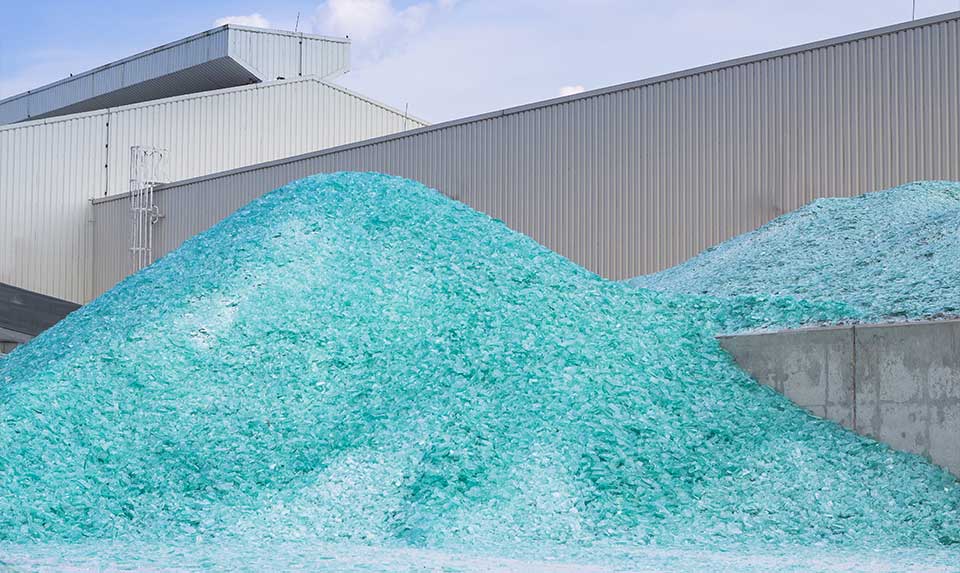
The recovered glass is then refined into clean, uniform grades. This becomes Glass cullet, which manufacturers can use as a secondary raw material in a wide variety of products. The cleaner and more consistent the cullet, the more useful it is on the secondary market.
5 – Plastic recovery for reuse
Finally, the recovered plastic is cleaned and prepared for other industrial uses. While it may not always return to a new windscreen, it remains a valuable recycled material in its own right.
This entire windscreen recycling process is designed to keep materials in use for as long as possible. Instead of sending broken glass and bonded plastic to landfill, the process now creates a slew of valuable raw materials.
Eco Driving: Save Petrol & The Environment >>
Where Does Your Old Glass Go? (Repurposing)
Once the recycling is complete, your old car glass begins a second life and the materials recovered from just one windscreen can end up in several completely different products.
The glass portion, once processed into cullet, can be reused in concrete, asphalt mixes, and fiberglass insulation. It may also be used in road materials, including reflective road paint, where finely processed glass helps improve visibility and durability.
The plastic layer of the glass has its own afterlife too. Recovered PVB plastic can be repurposed into carpet backing, paint binders, floor mats, and industrial adhesives.
Why you should choose a Pro-Recycling VGRRR Service
When you need a windscreen replaced, the quality of the glass fitting matters. So does what happens to the old glass afterwards. Choosing a pro-recycling VGRRR service means choosing a company that understands both intricacies of vehicle safety and environmental responsibility.
A service like Autoglass® Ireland which works with a certified recycler helps ensure damaged windscreens are processed properly instead of ending up as hazardous or long-term landfill waste. This not only protects the environment, but also supports local green initiatives. By sending old and damaged glass into approved recycling channels, you can help strengthen local recycling infrastructure and reduce unnecessary waste. We know that above all else, trust matters in car maintenance and using certified recycler for old car glass is just one practical way to show commitment to a greener future.
Frequently Asked Questions:
Can all auto glass be recycled?
Most vehicle glass can be recycled, but the process depends on the type of glass involved: tempered glass or laminated glass. Side and rear windows are often tempered glass, which shatters into small pieces and is generally simpler to process. Windscreens are made from laminated glass, where two glass layers are bonded with a plastic interlayer. That makes them safer in a crash, but also more complicated to recycle because the materials must be separated first.
Is repair better than replacement for the environment?
Yes, where it is safe and appropriate. Repair is usually the lower-impact option because it uses less energy, less material, and only a small amount of resin. It avoids the need to manufacture, transport, fit, and recycle a full replacement screen. But if the damage is too severe or in the driver’s line of sight, replacement is the safer choice. In that case, a proper windscreen recycling process is the next best environmental outcome.
A replaced windscreen does not have to become waste. With the right systems in place, the windscreen recycling process can recover both glass and plastic, giving those materials a second life in products ranging from fiberglass and concrete to carpet backing and industrial adhesives.
Ask an Expert: When can windscreens be repaired rather than replaced? >>
We hope this deep dive into all things sustainability in the world of car glass has been, if nothing else, crystal clear. Check back with the Autoglass® Ireland blog again soon for more explainers, tips and guides like this one. Safe Travels.
Book an appointment now
For a quick and easy way to make an appointment book online now.