
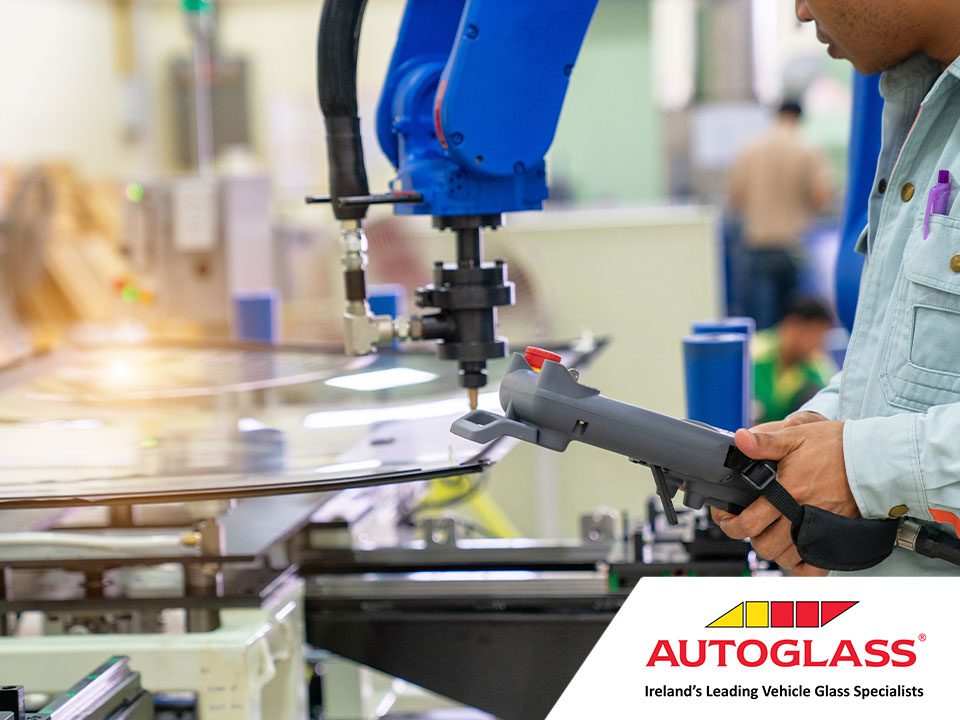
OEM vs Aftermarket Auto Glass – What’s the Difference?
When it comes to shopping around for vehicle glass replacement, there are two distinct varieties of glass motorists can expect to encounter: OEM and aftermarket auto glass. Somewhat confused as to the difference? Don’t worry. As ever, the Autoglass® Ireland Blog is here to walk you through all you need to know.
What is OEM Glass?
OEM Glass (Original Equipment Manufacturer glass) is made to the exact specifications set by the vehicle manufacturer. In simple terms, it’s the same standard of glass that was installed in your car when it first rolled off the production line.
This means OEM glass perfectly matches the original when it comes to:
- Shape and thickness
- Strength and durability
- Tint, shading and markings
- Compatibility with ADAS systems like sensors, cameras and heating elements
For drivers of newer vehicles, especially those which come equipped with Advanced Driver Assistance Systems (ADAS) like lane departure warnings or automatic emergency braking, this level of precision is particularly important. Even slight differences in glass curvature or clarity can affect how your ADAS systems perform on the road.
What is Aftermarket Glass?
Aftermarket Glass is produced by third‑party manufacturers rather than the original car maker. It’s designed to fit a range of vehicle models and generally meets industry safety standards, but it isn’t made to the exact same specifications as the original glass.
Because aftermarket glass is often produced in higher volumes and for multiple markets, it can vary in:
- Thickness and finish
- Optical clarity
- Sensor and camera alignment
- Overall fit
That doesn’t automatically mean it’s unsafe, many aftermarket options are legally compliant and widely used, but the differences can become noticeable depending on the vehicle, when ADAS systems are involved or when the driver encounters adverse weather conditions.
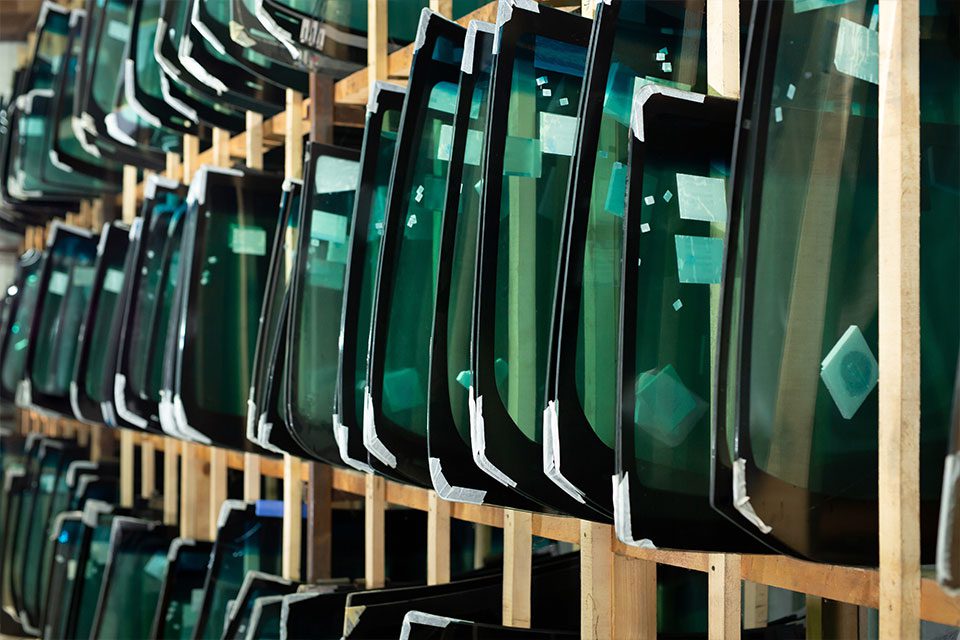
How Do They Compare on Safety?
Safety is where the distinction between OEM and aftermarket glass becomes most relevant.
Your windscreen contributes significantly to your car’s structural integrity, particularly in the event of a collision. Your car glass also supports proper airbag deployment. OEM glass is tested and approved as part of the vehicle’s overall safety system, ensuring it performs exactly as intended in even the worst case scenario of an accident.
With aftermarket glass, tolerances may be broader. While it can still meet minimum safety standards, it will likely not integrate as seamlessly with the vehicle’s original design as an OEM replacement would. For everyday driving, this difference might not be obvious – but in critical moments, precision can be paramount.
What Makes Modern Car Glass So Safe? >>
Fit, Finish and Driving Comfort
Irish drivers know all about changing weather conditions, the dangers associated with the glare of low winter sun and long motorway journeys. The quality of your glass can have a surprisingly major impact on driving comfort over all.
As we have already explored, OEM glass is manufactured to match the original curvature and optical clarity, reducing distortion and glare. This can make a real difference when driving in heavy rain, fog or bright, glaring sunlight.
Aftermarket glass, on the other hand, may show minor visual distortion or increased glare, particularly around the edges of your windscreen. While this won’t affect every driver, those who spend a lot of time on the road often notice the difference.
Cost Considerations
One of the main reasons drivers consider aftermarket options is cost. Aftermarket glass is typically cheaper upfront, which can be understandably appealing.
OEM Glass replacement can be more expensive due to tighter manufacturing standards and vehicle‑specific design. However, it’s worth considering long‑term value rather than just the initial price.
A properly fitted OEM windscreen reduces the likelihood of issues such as wind noise, water leaks or sensor recalibration problems – all of which can lead to considerable additional costs down the line. You are better off investing in the appropriate glass in the first place rather than having to deal with unexpected and potentially costly issues sooner rather than later.
How Has Car Glass Evolved Over Time? >>
Insurance and Warranty Implications
Many drivers may not be aware that the type of glass used can sometimes affect warranties or insurance claims. In many cases, manufacturers specify OEM components must be used in order to maintain certain warranty protections.
Some insurers will cover OEM Glass replacement as standard, while others may default to aftermarket unless OEM is requested. It’s always worth checking the details of your policy and discussing options with your glass repair specialist.
Why Professional Installation Matters
Regardless of which type of glass is chosen, professional installation is essential. Modern vehicles require precise fitting, specialist adhesives and, in many cases, ADAS recalibration.
This is where experience really counts. At Autoglass® Ireland, our specialist technicians work with OEM glass and follow manufacturer‑approved fitting procedures to ensure every replacement meets the highest safety standards.
So, Which Should You Choose?
There’s no single answer that suits every driver. Aftermarket Glass can be a practical option for older vehicles or situations where budget is the primary concern.
However, for newer cars, safety‑critical systems and drivers who value original performance and peace of mind, OEM glass is the obvious way to go. Its precise fit, consistent quality and full compatibility with modern ADAS systems make it a strong choice for long‑term safety and reliability.
At Autoglass® Ireland, we utilise OEE glass. OEE stands for “Original Equipment Equivalent”. OEE glass comes from a supplier who works closely with vehicle manufacturers and is developed based on OEM samples. It will not be marked with the vehicle manufacturer’s logo, but it has to meet Carglass’ strict quality requirements and the same exacting safety standards as OEM glass before being approved for use. Generally, OEM and OEE glass might come from the supplier (and perhaps even the same production line).
At the end of the day, when it comes to replacing your car glass, the difference between OEM and aftermarket auto glass isn’t just about branding, it’s about how well your car performs when it matters most. If you ever need advice or a professional assessment, the Autoglass® Ireland team is always on hand to guide you through your options and ensure your car gets the attention it needs to keep you and your passengers safe.
We hope you found this dive into the differences between OEM and aftermarket auto glass enlightening. Check back with the Autoglass® Ireland Blog again soon for explainers, guides and tips about all things motoring.
Safe travels!
Book an appointment now
For a quick and easy way to make an appointment book online now.