From Horsepower to Software: How Cars Became Platforms
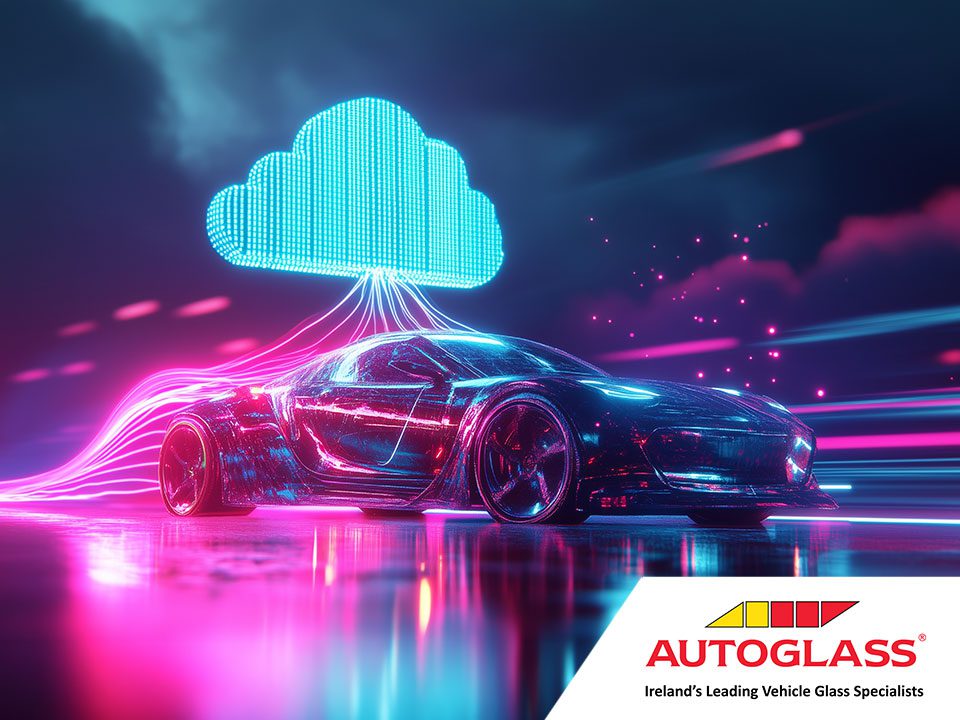
It’s no secret that we’re all living through a moment of rapid change when it comes to all things motoring. That said, the most significant change in modern cars over the past decade hasn’t happened under the bonnet, but inside your onboard computer and the rise of what we know as, the software-defined vehicle. A software-defined vehicle (SDV) is a car where core functions are controlled primarily by software running on central computing systems rather than dozens of isolated pieces of hardware. This means that your car’s capabilities are no longer static or frozen in one place. SDVs rolling off today’s production lines have the means to gain new features, upgrades and even improve overall performance through software updates rather than physical modifications from a garage.
What Does “Cars as Platforms” Actually Mean?
When we talk about cars as platforms it may be helpful to consider how we think about smartphones. You buy the hardware once, but gradually over time, you get new updates and apps to improve performance and tailor your own individual experience. Gaming consoles work the same way. The device stays in your living room for years, yet its capabilities expand continuously with each software update.
Modern vehicles increasingly follow this model. Instead of relying on dozens of separate electronic control units scattered around the car, manufacturers are moving toward a more centralised model.With this new approach, single high-performance computers manage everything from infotainment to practical concerns like your braking system.
Crucially, these powerful onboard computers have the capacity for over-the-air updates. This means that rather than booking into a mechanic or dealership for every tweak or fix, software can be easily and securely delivered remotely.
In essence, with technology of this kind, your car is no longer “finished” when it leaves the factory. It is a foundation, or platform, designed to improve with each update over time.
The Rise of the Software-Defined Vehicle
The software-defined vehicle is the inevitable end-point of much of what we have seen in automotive technology over the course of the last few decades. The different eras of technological advancement in cars can be understood like so…
Mechanical era (pre-1990s)
Cars were overwhelmingly mechanical. Improvements meant new parts, new engines or a new model.
Electronic era (1990s–2000s)
Electronic control units are introduced to assist in the management of things like engine timing, braking, airbags, and stability control. Software existed, but it was mostly static and rarely updated.
Software-first era (2010s–present)
The industry began adopting centralised computing systems as outlined above and we’ve seen the introduction of Over the Air Updates.
Companies like Tesla were crucial in accelerating public awareness of these technologies as their EVs have long been routinely updated following their initial sale. The broader motoring industry has now embraced this model. Major manufacturers are redesigning onboard computers to support continuous software development, often partnering with technology firms to build integrated automotive operating systems.
Why did this transformation happen now?
- Electric vehicles depend heavily on software to manage battery performance and thermal systems
- Consumer expectations are shaped by smartphones and cloud services which we have all become more familiar with
- High-speed mobile connectivity is increasingly more common
- Many advanced driver assistance systems and automated driving require constant software refinement to reflect changing road conditions
To put it simply, cars became rolling computers because the technology available has finally caught up to consumer demand and made it viable to do so at scale.
Why Automakers Want Cars to Be Platforms
Recurring Revenue Beyond the Sale
The commercial logic is hard to ignore. Car feature subscriptions and digital services provide manufacturers with the means to create revenue long after the initial transaction.
Why are car companies pushing subscriptions? Because traditional profit margins on new car sales are, now more than ever, vulnerable to the whims of the market and supply chain shocks. Recurring digital income provides stability and predictability from the perspective of the carmaker.
Faster Feature Rollouts Without New Models
Through remote vehicle software updates, manufacturers can improve vehicles continuously. This has been seen to reduce development costs and keeps products competitive for longer.
For example, refinements to regenerative braking in an electric car can be delivered digitally. Previously, such improvements would have required new hardware or a new model launch.
Data, Insights, and Driver Behaviour
Connected vehicles can collect useful data from drivers about usage patterns, energy consumption, and system performance. When anonymised and handled responsibly, this information helps manufacturers enhance safety systems and optimise future designs. It also allows for predictive maintenance.
However, this data-driven approach raises important questions about ownership and privacy, particularly under European data protection rules. This is undoubtedly one of the more uncertain elements of the Cars as Platforms revolution and we can only watch with interest to see how European legislation responds.
What Features Are Becoming Software-Based?
The expansion of automotive software subscriptions and enhanced connected car features means more of a vehicle’s capabilities are controlled via your onboard computer.
- Advanced driver assistance systems (ADAS) – Lane-keeping assistance, adaptive cruise control, and automated parking rely on complex software that can be improved via remote updates.
- Performance modes – Acceleration profiles, steering feel, and battery optimisation can be adjusted through code rather than mechanical changes.
- Infotainment upgrades – Navigation services, app ecosystems, voice assistants, and premium audio enhancements are often tied to subscription tiers.
- Climate and comfort features – Heated seats, heated steering wheels, and remote pre-conditioning sometimes require activation through software, even if the hardware is installed.
- Autonomous driving capabilities – Self-driving systems depend on continual software training and refinement, often delivered incrementally and remotely.
- Connected car features – Remote locking, real-time diagnostics, emergency call systems, and traffic data rely on active connectivity and cloud integration between multiple connected vehicles
The Latest Innovations in Electric Car Technology You Need to Know About >>
The Ownership Problem: When Hardware Isn’t Enough
Do you really own your car’s features? The answer may be more complicated than you think.
In the age of Software Defined Vehicles, ownership is a more nuanced concept than before. You may own the physical vehicle, but access to certain functions can depend on updating active licences. Stop paying your subscription, and you may lose functionality.
This creates several complications:
- Paywalled hardware that cannot be accessed without a subscription
- Certain features can be deactivated if payments lapse
- Second-hand buyers discovering that certain capabilities are tied to the original owner’s account rather than their own
For a market like ours here in Ireland, where used imports and long-term ownership are common, this shift has real implications. Traditional assumptions about resale value may need rethinking if features are no longer permanently attached to the vehicle. Again, we can only speculate about how these models will develop in the coming years but significant changes to the secondary market is most certainly on the horizon.
When Car Subscriptions Actually Make Sense
So, are subscription car features wholly a negative development for the average driver? Not necessarily.
There are practical scenarios where subscription car features and regular vehicle software updates offer flexibility rather than frustration.
- Seasonal features – Activating heated seats during winter months only
- Temporary upgrades – Unlocking extra range or performance for a holiday road trip.
- Fleet management – Businesses enabling advanced safety features across company cars as needed
- Trial periods for safety systems – Allowing drivers to test advanced driver assistance before committing long term
In these contexts, paying for access when needed can be more cost effective than permanently opting in to expensive options at the time of purchase.
How Drivers Are Adapting (Quietly)
Despite the expected wave of online criticism, many motorists are adapting to and embracing this platform model without too much fuss.
Manufacturers reduce friction by bundling services into packages, offering introductory free trials, and integrating subscription management into smartphone apps. Costs are often folded into finance agreements, making them feel less like opportunist add-ons being flogged by the dealership.
User experience (UX) design also plays a role. If activating a feature takes seconds on a touchscreen and improves daily convenience, resistance from the average motorist understandably softens. Unsurprisingly, the platform model becomes less and less controversial the more seamlessly it works.
Vehicle Autonomy Levels 0 – 5 Explained >>
Regulation, Repair, and the Road Ahead
Will governments regulate car software? Believe it or not, the process has already begun.
Emerging car software regulations focus on cybersecurity, data protection, and safety validation. At the moment, in the European Union, mandatory advanced safety systems cannot simply be disabled if they are required under type-approval rules.
Can software features be restricted by law? Yes. Regulators may require certain updates to be installed if they address safety-critical defects.
At the same time, the right-to-repair movement is gaining traction. Independent workshops and mechanics argue that increasing software control and encryption can limit access to diagnostics and repairs. Policymakers around the world, not just Ireland or Brussels, are weighing how to ensure fair access without compromising the cybersecurity of drivers.
Data ownership is another question unto itself. Drivers may soon demand clearer rights over the information their vehicles generate, particularly as connected services expand across Europe.
Striking the balance between innovation, consumer protection, and road safety is central to the future of the platform model.
Are Cars Still Machines—or Are They Now Products?
Cars did not stop being machines; they became platforms built on top of hardware foundations.
Perhaps the best way to consider the change toward the platform model is through the simple statement that “machines depreciate, platforms evolve”.
In a software-driven era, drivers are not just owners of machinery; they are users within a connected system of updates, services, and applications.
Software now determines what a vehicle can do, how it improves over time, and how much control drivers retain. As the software-defined vehicle becomes the industry standard, the central question is not whether cars will continue to change, but if we’ll be able to recognise the driving experience at all in 20 odd years or so!
We hope you found this heady trip into the near future of motoring enlightening, exciting and not too intimidating! The Autoglass® Ireland Blog will be back again soon for more guides, explainers, tips and tricks for all things motoring. Safe travels!
Book an appointment now
For a quick and easy way to make an appointment book online now.