
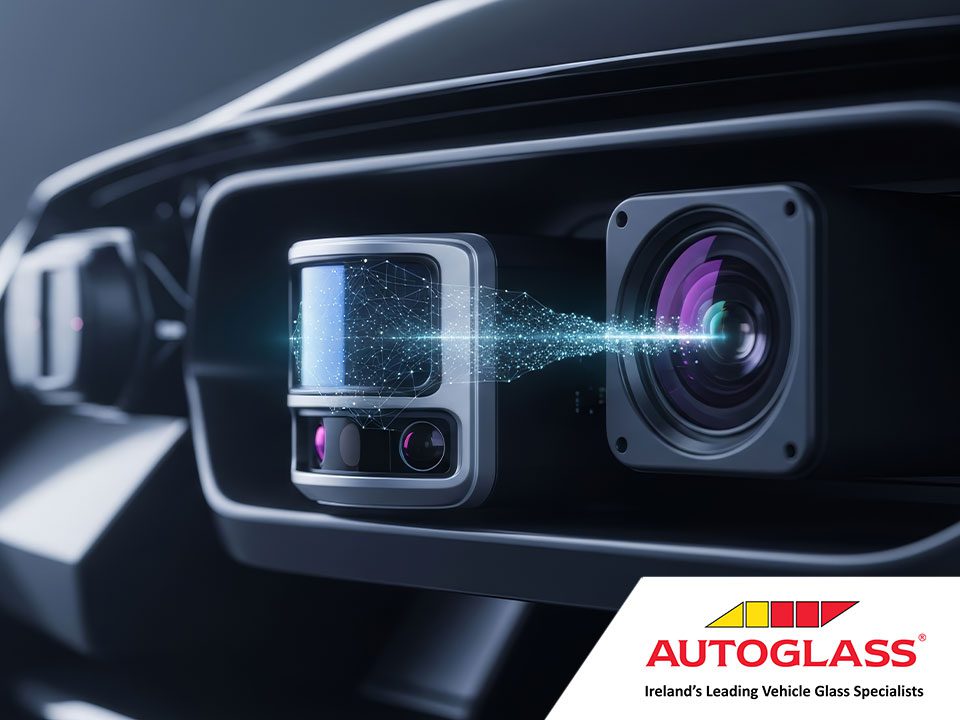
Top 5 Signs Your Car’s ADAS Sensors Are Out of Alignment
Quick Answer:
ADAS sensor misalignment can occur after minor impacts, potholes, or repairs such as windscreen replacement. Warning lights and unexpected system behaviour are common signs ADAS needs calibration. Professional ADAS calibration ensures cameras, radar and other sensors operate accurately, restoring your vehicle’s driver assistance safety features.
Introduction
Modern vehicles rely heavily on driver assistance technology in the interest of road safety and driver experience. Advanced Driver Assistance Systems (ADAS) use a combination of cameras, radar, ultrasonic sensors and, in some models, LiDAR to monitor your surroundings and support drivers.
These systems help with tasks such as maintaining a safe lane position, detecting obstacles, adjusting speed and preventing collisions. However, ADAS sensor misalignment can affect how accurately these technologies function.
Even small impacts, potholes, changes to your suspension or repairs like windscreen replacement can shift sensor positioning. Because these systems rely on precise angles and measurements, even slight changes can impact their performance quite significantly.
With this comprehensive guide we’ll explain the most common signs your ADAS sensors may be out of alignment and when ADAS calibration is likely required.
Key Takeaways:
The signs your ADAS needs calibration often appear after repairs or minor impacts. Key points to consider:
- ADAS sensors require extremely precise calibration to function correctly
- Repairs, potholes and minor accidents can alter sensor positioning
- Dashboard warnings will often alert you that ADAS need calibration
- Professional calibration restores system accuracy and safety
- Ignoring sensor issues can reduce driver assistance protection
What Are ADAS Sensors and Why Alignment Matters
Advanced Driver Assistance Systems are designed to assist you by monitoring road conditions and reacting to hazards as they present themselves. Forward collision sensor alignment and other sensor positioning must be precisely calibrated for the system to interpret distances and surroundings accurately.
Sensor types
ADAS systems typically rely on the combination of a variety of different technologies. Cameras are commonly mounted on the windscreen and help detect lane markings, traffic signs and other vehicles on the road. Radar sensors are usually located behind the front bumper and measure the distance and speed of surrounding traffic. Ultrasonic sensors are frequently used for parking assistance and low-speed manoeuvres, while LiDAR is used in some modern vehicles to map a detailed digital representation of the vehicle’s surroundings.
Why calibration matters
ADAS relies on extremely accurate positioning to interpret environmental data correctly. Even a very small change in angle or height can affect how the system calculates distance, detects vehicles or recognises lane markings. Without correct calibration, systems may provide incorrect readings or fail to activate when you need them most..
What causes misalignment
ADAS sensor misalignment can occur due to everyday driving conditions as well as fairly routine repair work. Minor collisions, pothole impacts, windscreen replacement, bumper repairs, suspension work and wheel alignment changes can all affect sensor positioning. Because sensors are mounted to structural parts of the vehicle, even small adjustments can influence accuracy dramatically.
How Modern Car Safety Features Actually Work >>
Top 5 Signs Your ADAS Sensors Are Out of Alignment
Warning Lights or ADAS Error Messages
Dashboard ADAS warnings often indicate that radar or camera sensors require recalibration or inspection.
Modern vehicles may display alerts indicating a safety feature is unavailable or restricted. Messages such as “Front Assist Unavailable”, “Camera Blocked” or general system warnings are common signs your ADAS may be in need of some attention.
Lane Keeping Assist Stops Working
When lane assist is not working correctly, the vehicle may drift between lane markings or disengage unexpectedly.
Lane keeping systems rely heavily on forward-facing cameras. If the camera angle shifts even slightly, the system may struggle to detect lane markings consistently.
Adaptive Cruise Control Behaves Erratically
Radar sensor misalignment can cause adaptive cruise control to respond unpredictably.
Drivers may notice the vehicle braking too aggressively, maintaining inconsistent distance from the car ahead or failing to detect vehicles altogether. Because adaptive cruise control depends on accurate radar positioning, misalignment can significantly affect performance.
Automatic Emergency Braking Activates Unexpectedly
Forward collision sensor alignment is critical for automatic emergency braking systems.
Misaligned sensors may interpret shadows, road signs or roadside objects as obstacles, causing sudden or unexpected braking. False activations can be alarming and may increase risk if drivers are unprepared for sudden deceleration.
You Recently Had Windscreen, Bumper, or Suspension Work
ADAS calibration is often required after even minor repairs.
Many forward-facing cameras are mounted directly to the windscreen, while radar sensors are often located behind the bumper. Replacing or removing these parts can change sensor positioning, making calibration necessary to keep everything working as it should.
The Evolution of ADAS: A Look Back and Ahead >>
What Causes ADAS Sensors to Go Out of Alignment?
ADAS sensor misalignment can occur in everyday driving conditions, not just after major accidents. Minor accidents or parking impacts can shift the positioning of sensors, while potholes or uneven road surfaces can affect suspension height and alignment angles. Windscreen replacement, bumper removal, wheel alignment adjustments and suspension repairs can all influence sensor positioning. Structural repairs following a collision may also require recalibration to ensure systems operate correctly.
Is It Safe to Drive with Misaligned ADAS Sensors?
A vehicle with ADAS sensor misalignment will usually still drive normally, but driver assistance features will not function as they are intended to.
When your ADAS sensors aren’t behaving as they should, safety systems may disable themselves entirely or provide inaccurate readings. Automatic emergency braking, lane assist or adaptive cruise control may respond incorrectly or fail to activate when you need them to.
How ADAS Calibration Fixes the Problem
Proper ADAS calibration restores sensors to manufacturer specifications. Calibration involves adjusting camera and radar positioning so systems correctly interpret road conditions, vehicle distance and lane markings.
Static Calibration
Static calibration is performed in a workshop using specialised equipment. Technicians position calibration targets and measurement boards at precise distances from the vehicle. Sensors are then adjusted carefully to ensure they align with your vehicle’s manufacturer specifications.
Dynamic Calibration
Dynamic calibration takes place while the vehicle is driven under controlled conditions. The system uses road markings, traffic flow and environmental data to fine-tune sensor positioning. Some vehicles require both static and dynamic calibration procedures to complete the recalibration process to completion.
Frequently Asked Questions About ADAS Sensor Alignment:
How do I know if my ADAS needs calibration?
Warning lights, lane assist issues, erratic cruise control behaviour or recent windscreen replacement can all indicate signs ADAS needs calibration.
Can I drive with misaligned ADAS sensors?
Yes, the vehicle will still operate, but driver assistance features may not function correctly
Do all windscreen replacements require ADAS calibration?
If a camera is mounted to the windscreen, calibration is usually required to ensure accurate positioning and proper system performance.
From Horsepower to Software: How Cars Became Platforms >>
Expert Tip
It is best practice to schedule ADAS calibration after windscreen replacement, collision repair or suspension work of any sort. Even minor structural changes can affect sensor accuracy, so professional calibration helps ensure driver assistance systems continue to perform safely, reliably and precisely as they should.
Related Driver Assistance Systems
ADAS calibration helps maintain the effectiveness of several driver assistance features, including lane departure warning, adaptive cruise control, automatic emergency braking, blind spot monitoring and traffic sign recognition. Each of these technologies relies on correctly aligned sensors to provide accurate information and timely alerts.
When to Schedule an ADAS Calibration
Drivers should consider booking an inspection if ADAS warning lights appear on the dashboard, the windscreen has recently been replaced, the vehicle has been involved in a collision or driver-assistance features begin behaving erratically or unusually. Suspension or wheel alignment work can also affect ADAS sensor positioning, meaning recalibration is probably for the best.
Addressing issues early helps ensure your vehicle’s safety features continue operating as intended. We hope you found this post informative and helpful. Check back with the Autoglass® Ireland blog again soon for more practical motoring advice, tips, explainers and guides. Safe travels!
Book an appointment now
For a quick and easy way to make an appointment book online now.